Skip to content

B2B buyers evaluate thermos suppliers by requesting samples and testing them through physical tests, reviewing documentation, checking customization quality, and watching for warning signs during the process. This helps buyers judge both product quality and long-term partnership potential before committing to large orders.
I work with buyers from all over the world at Cupique. They all follow similar steps when they assess our samples. The smart buyers know that samples tell two stories at once. The first story is about product quality. The second story is about how we work as a partner. Let me share what I've learned from working with hundreds of B2B clients.
B2B buyers assess thermos samples for product quality and supplier partnership potential.True
The snippet states sample assessment judges both product quality and long-term partnership potential.
B2B buyers solely rely on physical tests of samples to evaluate thermos suppliers.False
Buyers also review documentation, customization quality, and watch for warning signs.
What specific physical and performance tests should a buyer conduct on a thermos sample
Many buyers skip basic physical tests and regret it later. They trust supplier claims without verification. Production problems emerge after they commit to large orders.
Buyers should perform insulation tests, leak tests, pressure tests, drop tests, coating adhesion tests, and material quality checks. These tests verify that the product matches the supplier's claims and meets end-user requirements in real conditions.

Core Physical Tests
I always recommend buyers start with the wall thickness check. Press the cup body firmly with both hands. Good quality cups won't show any dents or deformation. If you see indents appear, the supplier cut corners on the material. We use standard wall thickness at Cupique. Our cups stay rigid under pressure tests.
Weight is the next quick indicator. Pick up the sample. Does it feel too light? Very light weight might mean the supplier used wall-thinning processes to save material. Some factories use spinning processes that reduce the inner liner thickness1. This saves them money but reduces durability. I've seen cups that feel like toys in your hand.
Check the outer shell carefully. Run your fingers across the surface. Feel for rough spots or inconsistencies. Look at the finish under good light. Any bubbles or imperfections tell you about their quality control during coating.
Inner Liner Inspection
Open the thermos and examine the inner surface. It should be completely smooth. No bad spots or rough patches should exist. Smell the inside. Any metallic odor is a red flag. Good stainless steel doesn't smell.2
If the liner isn't made by stretching (one-piece construction), find the welded seam. Check this area very carefully. Obvious welding points can rust later. I've handled customer complaints about rust spots. They always start at poor welding points. At Cupique, we use high-precision welding and polish all seams smooth.
| Test Type | Testing Method | What to Check | Red Flag Indicators |
|---|---|---|---|
| Wall Thickness | Press test by hand | Rigidity, no dents | Visible indentation appears |
| Weight | Weigh and compare | Appropriate mass for size | Feels unusually light |
| Coating Adhesion | Standard tape test | Coating stays intact | Material lifts off with tape |
| Inner Liner | Visual + smell test | Smooth finish, no odor | Rough spots, metallic smell |
| Welding Quality | Inspect seams | Clean, polished joints | Visible weld beads, gaps |
Performance Testing Sequence
Fill the sample with hot water to the maximum line. Shake it gently. Turn it upside down. Watch for any leaking. Good seals won't leak a single drop. Some samples show problems when hot water creates steam pressure. The steam can pop the lid open if the threading precision is poor.
The silicone gasket quality matters a lot here. Under heat, low-quality silicone can't maintain a proper seal. I test this by leaving hot water in the sample for 30 minutes, then checking again. Temperature stress reveals seal problems.
For coating tests, I use the standard tape method. Apply strong adhesive tape to UV-printed or powder-coated surfaces. Press it down firmly. Pull it off quickly. If any coating material comes off with the tape, the adhesion failed. This predicts peeling problems during shipping and use.
Temperature Retention Testing
Fill the thermos with boiling water (100°C). Record the starting temperature and time. Close it properly. Wait six hours. Open it and measure the water temperature again. Good vacuum insulation should keep water above 65°C after six hours3. I provide buyers with our test data, but smart buyers verify it themselves.
Some buyers do cold tests too. They fill samples with ice water and track how long it stays cold. This double-checks the vacuum quality. Poor vacuum performance shows up in both hot and cold tests.
Buyers should conduct insulation, leak, pressure, drop, and material quality tests.True
The text explicitly lists these as recommended tests for buyers to perform.
Buyers can skip physical tests on thermos samples if they trust supplier claims.False
The article warns against trusting supplier claims without verification, leading to production issues.
Beyond the product itself, what does the sample packaging and documentation reveal about a supplier's professionalism and reliability
Buyers often focus only on the product and ignore the packaging. They miss important clues about the supplier. Poor packaging reveals operational weaknesses that will cause problems later.
Sample packaging and documentation show whether a supplier understands logistics, retail requirements, safety standards, and attention to detail. Professional packaging with complete certificates and test reports indicates a mature, reliable business partner.
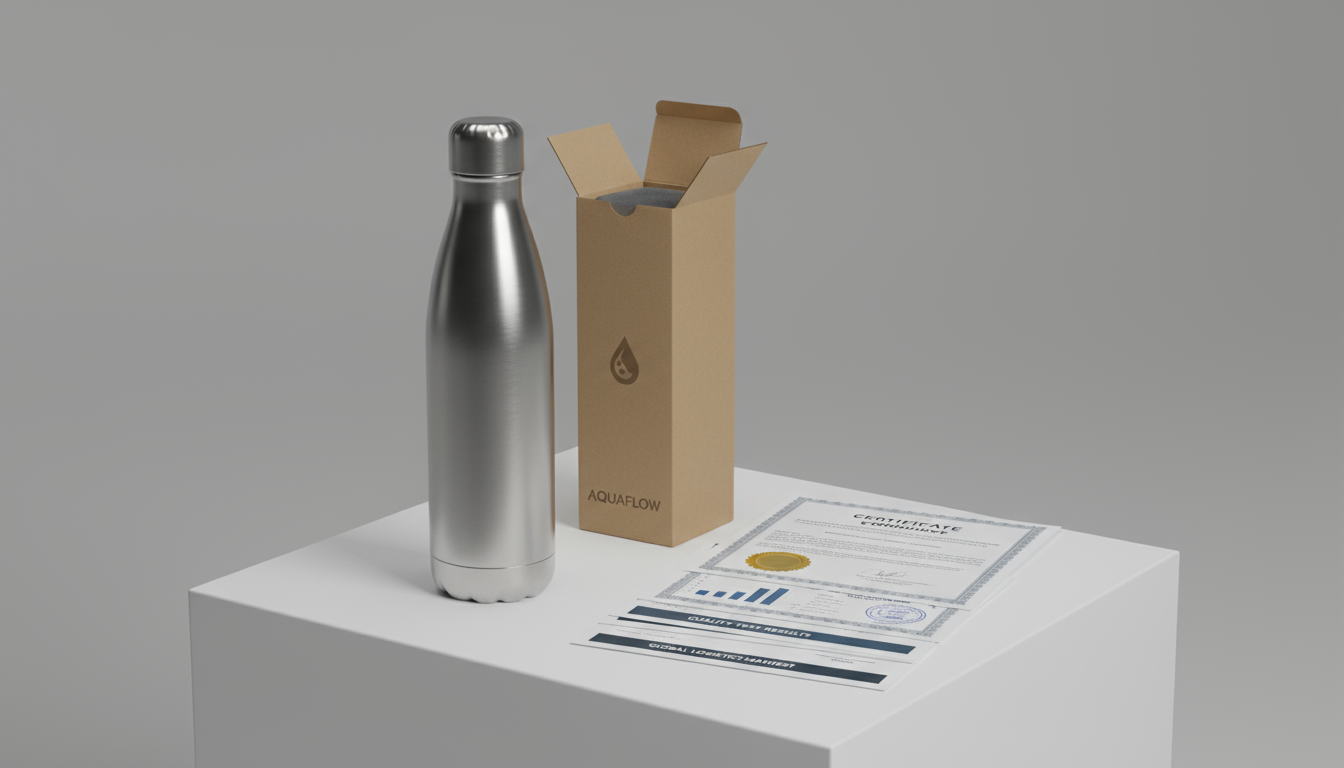
Packaging Quality Assessment
I judge a supplier immediately by how the sample arrives. Was it protected properly for shipping? Did they use bubble wrap, foam inserts, or corner protectors? Damaged samples reveal that the supplier doesn't think about the shipping journey. Your retail customers will face the same problems.
Look at the retail packaging if provided. Is it clean and professional? Does it include proper product information? Many markets require specific labeling4. A supplier who sends samples without thinking about retail presentation doesn't understand your business needs.
Documentation Standards
Open the package and check what documents came with the sample. I always include several items with Cupique samples:
Missing documentation is a warning sign. It suggests the supplier treats samples as just products to ship. They don't see the bigger picture of partnership support.
The quality of the documents matters too. Are they printed clearly? Is the English accurate? Poor translations and sloppy formatting show lack of professionalism. At Cupique, we invest in proper documentation because we know it builds buyer confidence.
Labeling and Compliance Markers
Check all labels on the product and packaging. Food-grade indicators should be visible. Country of origin should be marked. Any required warning labels should be present. I've seen buyers reject entire shipments because the supplier didn't include proper labels. The sample should show correct labeling from the start.
| Documentation Type | What It Reveals | Professional Indicators | Red Flags |
|---|---|---|---|
| Material Certificates | Supply chain control | Specific grade (304/316 SS), lab name | Generic claims, no lab stamps |
| Test Reports | Quality verification | Detailed methods, quantified results | Missing data, vague descriptions |
| Packaging Protection | Logistics understanding | Multi-layer protection, no damage | Poor wrapping, sample damaged |
| Care Instructions | End-user focus | Clear, illustrated, multi-language | Missing or text-only |
| Company Documentation | Business maturity | Quality control process, factory info | No company info provided |
Communication Around Sample Shipment
Notice how the supplier communicated about shipping the sample. Did they provide a tracking number? Did they estimate delivery time accurately? Did they follow up to confirm arrival? These behaviors predict how they'll handle production shipments.
I always send buyers a tracking link within 24 hours of sample shipment. I check in when the package should arrive. This costs me just a few minutes but shows buyers I'm reliable. Suppliers who go silent after shipping samples will disappear during production problems.
Packaging and documentation reveal a supplier's professionalism and reliability.True
The text states these elements indicate a mature, reliable business partner.
Packaging quality is irrelevant to assessing a supplier's reliability.False
The text highlights packaging as a key indicator of a supplier's professionalism and reliability.
How can a sample be used to verify a supplier's customization capabilities and attention to brand detail
Many suppliers claim they offer full customization. Buyers discover the truth only after placing orders. The gap between promises and reality destroys timelines and budgets.
Request a sample with specific customizations like logo placement, color matching, or design modifications. The accuracy and quality of these custom elements on the sample directly prove the supplier's actual capabilities and detail orientation.
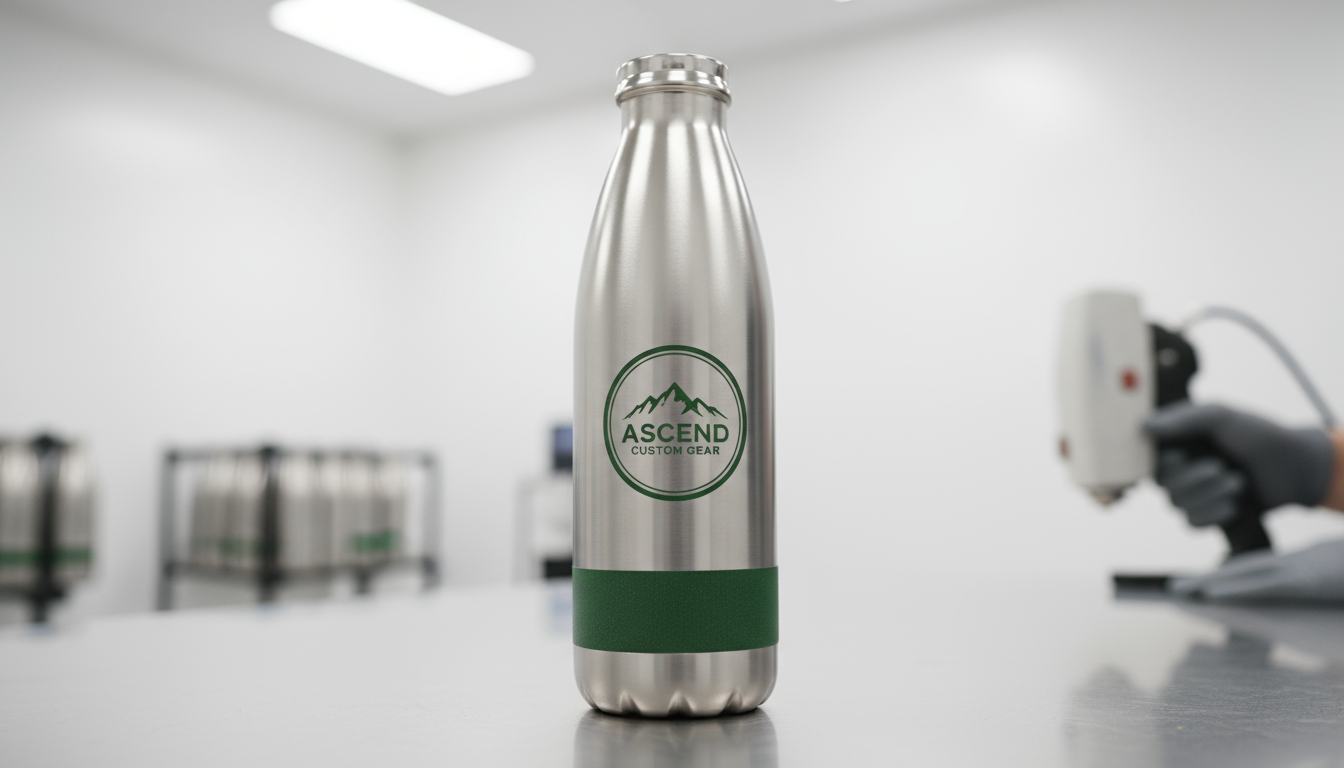
Logo and Branding Execution
I suggest buyers always request their logo on the sample. Specify the exact position, size, and method (laser engraving, UV printing, silk screen, or embossing). When the sample arrives, measure everything. Is the logo exactly where you specified? Is the size correct to the millimeter?
At Cupique, we send buyers a digital proof before making the sample. We need their approval on placement. If a supplier skips this step, they're guessing about your requirements. Guessing doesn't work in B2B partnerships.
Check the logo quality closely. For laser engraving, the depth should be consistent across the whole logo. The edges should be clean and sharp. For UV printing, the colors should match your Pantone specifications5. The print should survive the tape adhesion test I mentioned earlier.
Color Matching Precision
If you requested a specific color, compare the sample to your color reference under natural light. Small color variations might seem minor but they confuse customers when you sell retail. Professional suppliers use color-matching systems6. They can hit Pantone colors accurately.
I keep a log of every custom color we produce at Cupique. If a buyer reorders, we reference the exact formula. Suppliers without this system will give you slightly different colors on every order.
Custom Design Elements
Did you request any design modifications? Maybe you wanted a different lid style or handle shape. The sample shows whether the supplier understood your requirements and executed them properly. Look for precision in the modifications.
I've worked with buyers who want completely custom bottle shapes. We create prototypes using our mold design team. The sample is proof that we can deliver their vision. Suppliers who can't show you physical custom samples are just talking. They lack the tooling or technical capability.
| Customization Element | Verification Method | Quality Indicators | Warning Signs |
|---|---|---|---|
| Logo Placement | Measure position and size | Matches specifications exactly | Off-center, wrong size |
| Printing/Engraving Quality | Visual inspection, tape test | Sharp edges, consistent depth | Blurry prints, uneven engraving |
| Color Matching | Compare to Pantone reference | Exact match in natural light | Noticeable color variation |
| Custom Design | Compare to approved drawings | All dimensions correct | Simplified or altered details |
| Packaging Customization | Check branding, inserts | Professional execution | Generic or missing elements |
Revision Responsiveness
The real test comes if you need changes after seeing the first sample. Request a specific modification. How does the supplier respond? Do they push back or accommodate your request? How long do they take to produce the revised sample?
At Cupique, we typically turn around sample revisions in 3-5 business days. We know buyers have timelines to meet. Slow revision cycles indicate production bottlenecks. You'll face the same delays during bulk production.
Packaging Customization
Don't forget to test packaging customization abilities. Can they add your branding to the box? Can they create custom inserts or instruction cards? The sample should include these elements if you requested them. Packaging customization separates basic manufacturers from full-service partners.
Requesting a sample with specific customizations verifies a supplier's actual capabilities.True
The snippet states custom samples directly prove a supplier's true capabilities and detail orientation.
A supplier's verbal claims of full customization are usually reliable without physical proof.False
The text warns that supplier claims often differ from reality, necessitating sample verification.
What "red flags" during the sample assessment process should alert a buyer to potential future partnership risks
Buyers often ignore small problems during sampling. They think issues will improve in production. My experience shows the opposite. Problems during sampling get worse at scale.
Red flags include poor communication responsiveness, quality inconsistencies between multiple samples, missing documentation, unwillingness to provide third-party test results, rushed or defensive answers to questions, and lack of transparency about production processes.
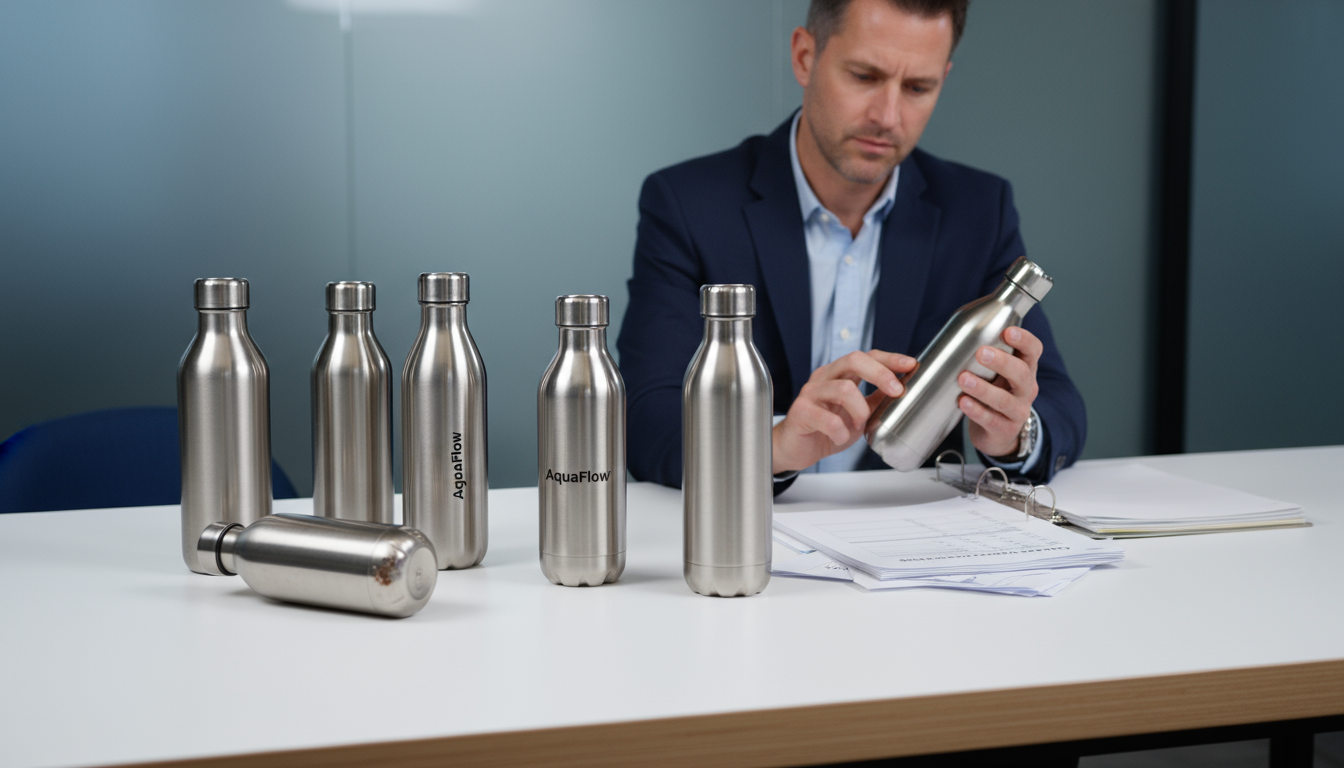
Communication Red Flags
Track how the supplier communicates from your first contact. Do they respond to emails within 24 hours? Do they answer your questions directly? Vague or evasive answers are warning signs. At Cupique, I train my team to give specific answers. If we don't know something, we say so and find out.
Watch for suppliers who promise everything. "Yes, we can do that" should come with details about how and when. Generic promises without supporting information mean they're just telling you what you want to hear.
Notice if they pressure you to order before you're ready. Good suppliers respect your evaluation process. They know quality buyers need time to assess samples properly. Pressure tactics suggest they're desperate for orders or trying to lock you in before you discover problems.
Sample Quality Inconsistency
Always request at least 2-3 samples of the same item. They should be identical. Compare them side by side. Check the weight, finish quality, logo placement, and functionality. Variations between samples reveal poor process control7.
I've seen cases where suppliers send hand-finished samples to win orders. Then their mass production uses different processes. The sample quality can't be repeated at scale. Asking for multiple samples helps catch this trick. If they resist sending several pieces, ask yourself why.
Timeline and Delivery Issues
Did the sample arrive when promised? Delays happen, but good suppliers communicate about them. Radio silence followed by a late sample is a red flag. This pattern will repeat during production shipments.
I keep detailed records of our sample lead times at Cupique. We commit to specific delivery windows and hit them 95% of the time. The other 5% involve customs delays or force majeure. We always notify buyers immediately when delays occur.
| Red Flag Category | Specific Warning Signs | What It Predicts |
|---|---|---|
| Communication | Slow responses (>48 hours), vague answers | Poor project management, service issues |
| Quality | Variations between samples, defects | Inconsistent bulk production |
| Documentation | Missing certificates, no test data | Compliance problems, quality risks |
| Transparency | Won't share process details, no factory tour | Hidden problems, B-grade operations |
| Flexibility | Refuses small modifications, rigid MOQ | Difficult partnership, poor problem-solving |
| Pricing | Unusually low, unclear cost breakdown | Quality compromises, hidden costs later |
Unwillingness to Provide Proof
Ask the supplier to share their quality control process. Request photos or videos of their production line. Professional suppliers should be transparent about how they work. Refusal to share this information suggests they have something to hide.
At Cupique, we offer virtual factory tours and share our production workflow documentation. We want buyers to feel confident about our capabilities. Suppliers who make excuses about why you can't see their factory are suspicious.
Request third-party test reports. Good suppliers use accredited labs to verify their products meet international standards. If they only offer their own in-house test data, be cautious. In-house tests can be manipulated. Independent lab reports provide objective proof.
Defensive or Dismissive Responses
Pay attention to how suppliers react when you point out issues. Do they acknowledge problems and explain how they'll fix them? Or do they make excuses and blame others? Defensive behavior during sampling will intensify during production problems.
I train my Cupique team to welcome feedback. If a buyer finds an issue with our sample, we thank them for the detailed inspection. We explain what went wrong and how we'll prevent it in the next sample or production run. Suppliers who get defensive about quality problems will never improve.
Pressure to Skip Steps
Some suppliers suggest skipping sample approval and moving straight to production. They claim this saves time. This is a major red flag. The sample approval step exists to catch problems before they multiply across thousands of units8.
I never push buyers to skip sampling at Cupique. Even if they've ordered similar items before, each new design needs sample validation. Skipping this step transfers all risk to the buyer. Good suppliers protect their customers from risk.
Pricing Red Flags
Be suspicious if the sample pricing seems disconnected from production pricing. Some suppliers charge high sample fees, then offer surprisingly low production prices. This bait-and-switch tactic locks buyers in. The production quality often doesn't match the sample quality.
At Cupique, our sample pricing is fair and transparent. It reflects the actual cost of producing a small quantity. Our production pricing follows a clear formula based on volume. There are no surprises or hidden costs later.
Also watch for suppliers who won't provide a detailed cost breakdown. You should understand what you're paying for: materials, labor, tooling, printing, packaging. Transparent pricing builds trust. Opaque pricing hides problems.
Poor communication and quality issues in samples signal future partnership risks.True
The text explicitly lists these as red flags indicating potential problems.
Minor sample problems will likely resolve themselves during mass production.False
The text states that problems observed during sampling tend to worsen at scale.
Conclusion
Sample assessment reveals both product quality and partnership potential. Test rigorously, watch for red flags, and choose suppliers who demonstrate professionalism from the first sample onward.
-
Explains bottle manufacturing, detailing processes that affect liner thickness. ↩
-
Details industry standards for stainless steel, supporting quality and lack of odor. ↩
-
Explains industry standard for vacuum insulation performance. ↩
-
Explains industry standards for stainless steel bottle labeling. ↩
-
Explains UV printing quality specifications for durable items. ↩
-
Illustrates professional Pantone color use for custom product branding. ↩
-
Manufacturing guide addressing process control failures and solutions. ↩
-
Details first-article inspection, a sample approval process preventing widespread defects. ↩