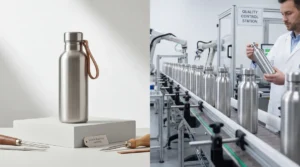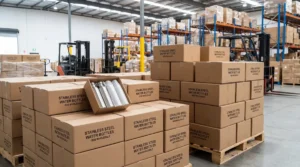
Reliable lead time depends on factory management, not promises. Check if the factory has clear communication between management and production floor. Look for tracking systems and past delivery records. A factory where staff pass blame to each other will always deliver late.
I have seen buyers lose entire selling seasons because they trusted verbal promises. Let me show you how to spot unreliable suppliers before you sign a contract.
Lead time reliability depends primarily on factory management structureTrue
Factories with clear communication chains between management and production floor consistently deliver on time. The 42-day delay example was caused by management chaos, not production capacity.
Supplier lead time promises accurately predict actual delivery datesFalse
Suppliers often quote best-case scenarios. A promised 20-day delivery frequently becomes 27-35 days in reality. Buyers should always add buffer time.
What Lead Times Should You Actually Expect?
Every buyer asks the same question. How long will production take? The answer depends on inventory and order size. But most suppliers give you best-case numbers.
Standard lead times range from 3-7 days for in-stock items, 15-20 days for small custom orders of 500-1000 pieces, and 20-35 days for full container orders. During peak season, these times can double or the factory may refuse large orders entirely.
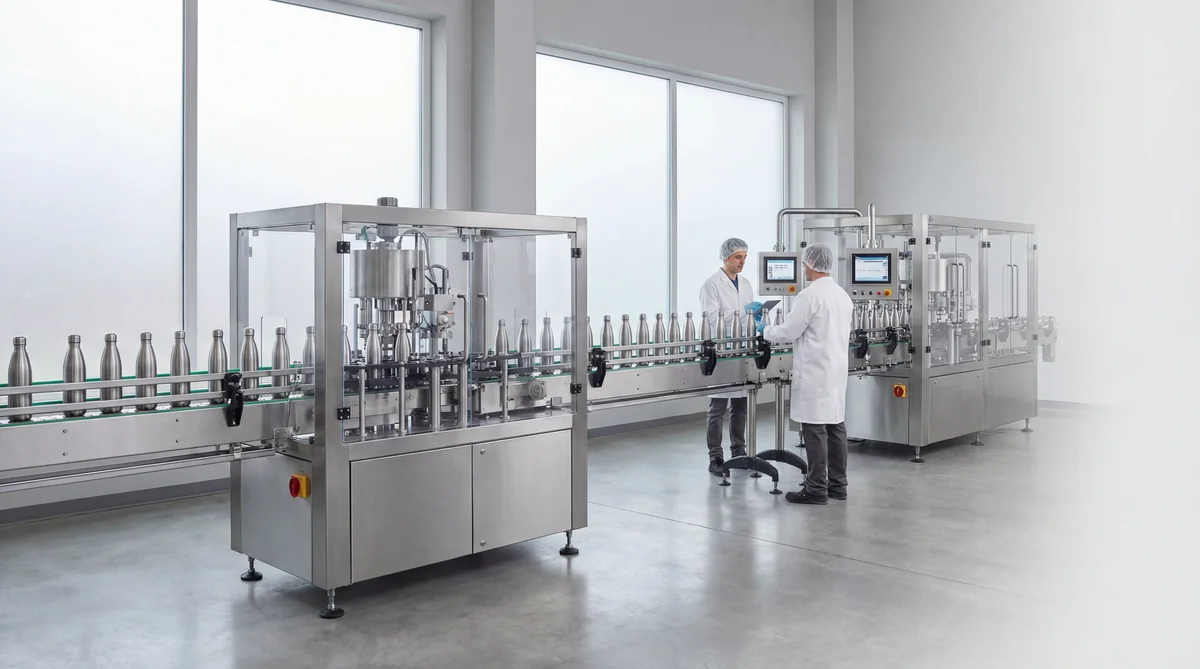
Understanding the Production Cycle
The full cycle includes buying raw steel tubes, cutting them to size, forming the bottle shape, welding, polishing, coating, printing, assembly, and quality inspection. Each step takes time. Skipping any step creates quality problems later.
| Order Type | Normal Lead Time | Peak Season |
|---|---|---|
| In-stock items | 3-7 days | 5-10 days |
| Small orders (500-1000 pcs) | 15-20 days | 25-35 days |
| Standard container (10,000+ pcs) | 20-35 days | May refuse or push to next year |
Understanding the complete manufacturing process1 helps you evaluate whether a supplier's timeline makes sense for your order size. According to ISO 28000 supply chain security standards2, transparent production tracking is essential for reliable delivery management.
Peak Season Reality
The water bottle industry has clear busy periods. The second half of the year is peak season. European and American retailers need products for first-half promotions. They order months ahead. Ocean shipping is also cheaper in the second half of the year.
Some factories stop accepting new orders two to three months before Chinese New Year. They already have full production schedules. Large orders placed in October might not ship until March of the following year. When sourcing from China3, timing your orders around these cycles is critical.
Peak season can double normal lead times for water bottle ordersTrue
During the second half of the year, small orders that normally take 3-5 days can extend to 10-15 days. Large orders may be refused entirely or pushed to the following year.
All factories maintain consistent lead times year-roundFalse
Lead times fluctuate significantly by season. Factories near Chinese New Year may stop accepting orders 2-3 months early due to full schedules.
How Can You Identify an Unreliable Factory Before Ordering?
Promises are easy to make. Delivery is hard. The signs of an unreliable factory show up during your first visit. You need to know what to look for.
Visit the factory and observe their management chain. Ask questions and watch if staff pass you between departments without answers. Request past delivery records and production schedules. Factories with clear systems and accountability deliver on time.

The Ball-Passing Test
I visited a factory last year. I asked about their production schedule. The sales person told me to ask the production manager. The production manager said the scheduling person handles that. The scheduling person blamed the material buyer for delays. Nobody owned the answer.
This is a major warning sign. When nobody takes responsibility during your visit, nobody will take responsibility when your order is late. The delay becomes your problem. Not theirs.
What Good Management Looks Like
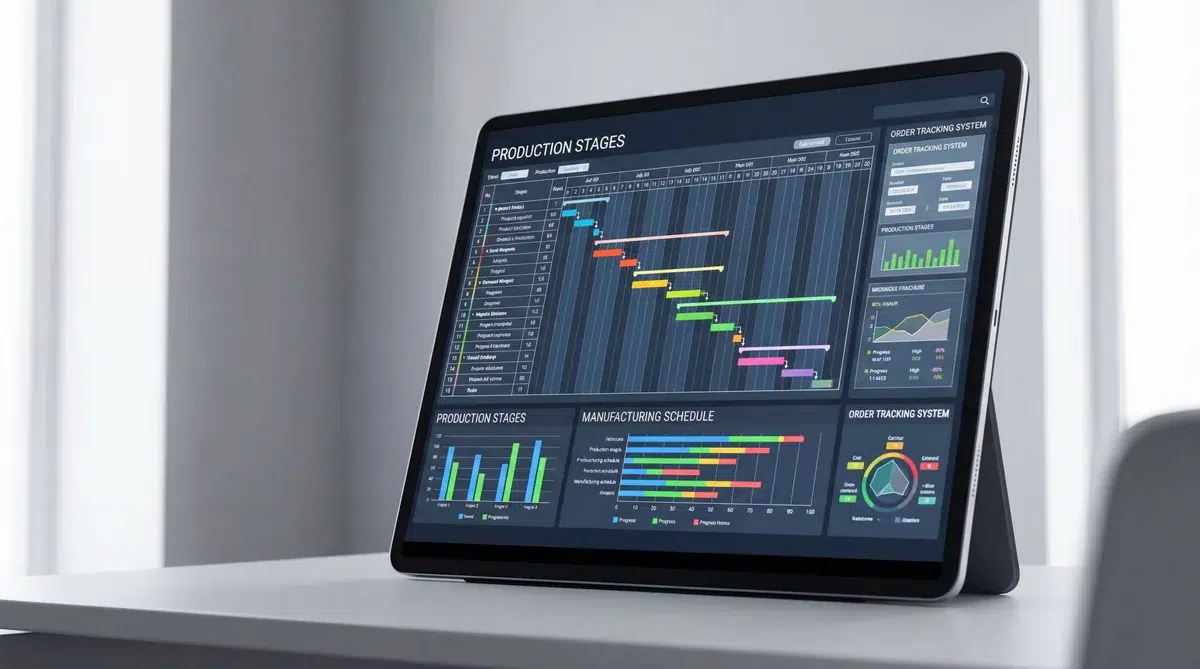
Strong factories have visible systems. They use software to track orders. Management can show you production schedules on screens. Workers know exactly what they need to finish today. Information flows smoothly from top management to middle supervisors to floor workers.
| Red Flag | Good Sign |
|---|---|
| Staff redirect questions to others | One person answers all questions |
| No visible schedules | Digital tracking boards |
| Vague delivery estimates | Specific dates with milestones |
| No past records available | Can show delivery history |
A proper supplier evaluation process4 should include observing these management indicators during your factory visit.
Request Proof
Ask for shipping records from previous orders. Ask to see their production scheduling system. Request references from other buyers. Reliable factories have nothing to hide. They show you their systems proudly. Finding a reliable factory5 requires this level of due diligence.
Factory staff passing questions between departments indicates poor internal communicationTrue
When nobody owns answers during a factory visit, nobody will own responsibility when problems occur. This 'ball-passing' behavior directly correlates with delivery delays.
Small factories cannot deliver reliably due to limited capacityFalse
Factory size does not determine reliability. Management quality matters more. A well-organized small factory outperforms a chaotic large one.
What Happens When Lead Times Fail?
Late delivery is not just an inconvenience. It destroys business relationships and sometimes leads to legal battles. I have seen both good and bad outcomes.
A 42-day delay destroyed one supplier relationship completely. The buyer only accepted finished goods, cancelled the rest, and filed a lawsuit. But another supplier saved a relationship by offering discounts, prioritizing production, and limiting delay to one week.
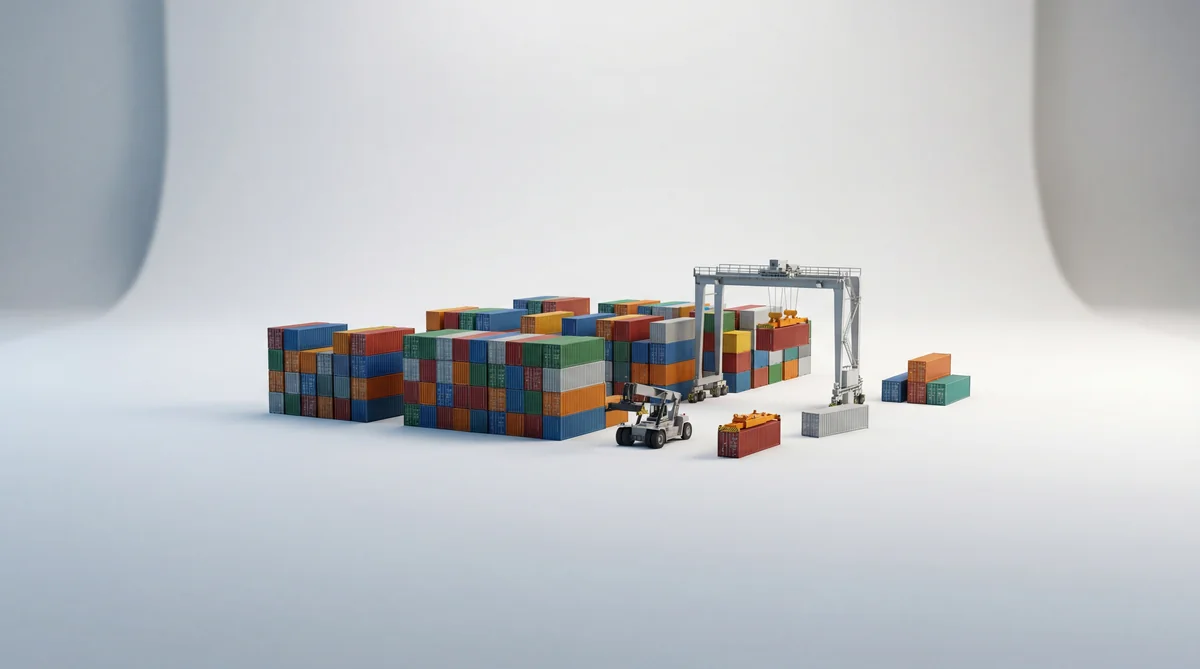
The 42-Day Disaster
I know a trading company that ordered from a factory. The factory delayed shipment by 42 days. The reason was simple. Their purchasing department made errors. Management was chaotic. Information did not flow between departments.
The buyer was extremely angry. They only accepted the bottles already produced. They cancelled the remaining order. They placed new orders with a different supplier. They took the factory to court. This level of delay destroys trust completely.
The Korean Order Success
I handled a Korean order that also faced delays. A mold development problem pushed back the entire schedule. But we handled it differently.
We immediately offered a partial discount. We coordinated with our material suppliers to prioritize our order. We worked overtime. The final delay was only one week. The customer appreciated our attitude. We did not blame others. We took responsibility and solved the problem.
The customer continued working with us. They valued our problem-solving speed and honest communication more than the perfect delivery that never happened. According to industry best practices6, how suppliers handle problems matters more than avoiding all problems.
How a supplier handles delays matters more than avoiding all delaysTrue
The Korean order example shows that taking responsibility, offering compensation, and solving problems quickly can preserve relationships. The 42-day delay destroyed trust because the factory blamed others.
Late delivery always results in cancelled orders and lawsuitsFalse
Outcome depends on supplier response. Quick action, honest communication, and partial compensation can save relationships even after significant delays.
How Should You Protect Yourself in Contracts?
Good suppliers can still face problems. Raw material shortages happen. Equipment breaks down. The difference is how they handle problems. Your contract should protect you either way.
Include specific delivery dates with milestone checkpoints. Add penalty clauses for delays calculated by day. Require regular production updates with photos. Build buffer time into your planning regardless of contract terms.
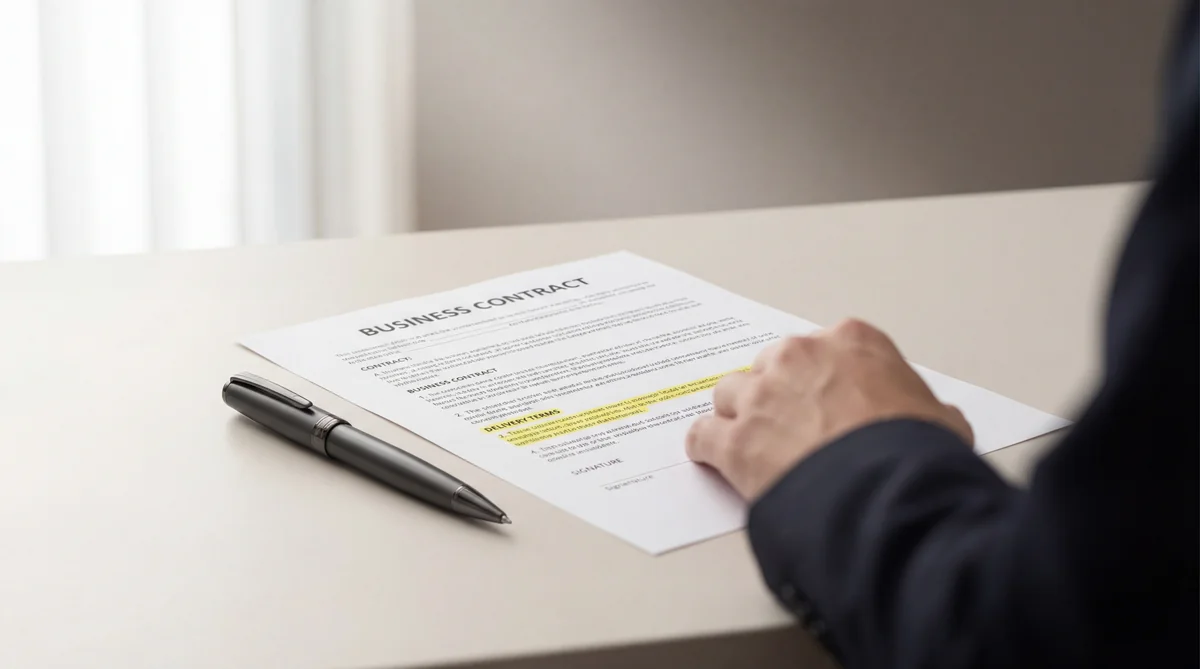
Essential Contract Terms
Your contract should include the exact delivery date. It should specify what happens if delivery is late. Most contracts include a penalty calculated by days of delay. The percentage varies by industry and relationship.
| Contract Element | Recommended Terms |
|---|---|
| Delivery date | Specific calendar date |
| Delay penalty | X% per day or week |
| Communication | Weekly updates required |
| Milestone checks | Dates for samples, production start, completion |
| Force majeure | Clear definition of exceptions |
When negotiating with suppliers7, delivery terms should receive as much attention as pricing.
Build Your Own Buffer
Here is advice from my experience. When a supplier says 20 days, plan for 27-35 days in your schedule. Most delays fall in the range of one to two weeks. The 42-day disaster is rare but possible.
Do not schedule your product launch for the day after expected delivery. Give yourself room. This buffer has saved me many times when suppliers faced unexpected problems. Supply chain risk management research8 confirms that buffer time is the most effective protection against delivery disruptions.
Ask About Their Buffer
Good suppliers build buffer into their own estimates. They tell you 25 days when they expect to finish in 20. Bad suppliers tell you best-case scenarios to win your order. Then they make excuses when reality hits.
Ask directly. Does this estimate include any buffer? What usually causes delays for you? Their answers reveal their honesty and experience. Choosing the right supplier9 means evaluating their communication style, not just their prices.
Adding 7-15 days buffer to quoted lead times is standard practice for experienced buyersTrue
Based on industry experience, most delays fall within 1-2 weeks. Planning for 27-35 days when quoted 20 days prevents supply chain disruptions.
Penalty clauses guarantee on-time deliveryFalse
Penalty clauses provide compensation but cannot force timely delivery. Prevention through supplier vetting is more effective than contract enforcement after delays occur.
Conclusion
Lead time reliability comes from factory management, not promises. Visit factories. Watch how staff handle questions. Request delivery records. Add protection in contracts. Build buffer into your own schedule. The supplier who takes responsibility during problems is worth more than the supplier who promises perfect delivery.
Understanding supplier quality assessment10 helps you identify partners who deliver consistently.
-
Complete guide to stainless steel water bottle manufacturing processes and timelines ↩
-
ISO 28000 standard for supply chain security management systems ↩
-
Strategies for sourcing water bottles from Chinese manufacturers including timing considerations ↩
-
Step-by-step supplier sample assessment process for B2B thermos buyers ↩
-
How to identify and verify reliable stainless steel thermos factory partners ↩
-
Thomas Network guide on supplier relationship management and problem resolution ↩
-
Negotiation tactics for B2B flask orders including delivery term discussions ↩
-
Harvard Business Review analysis on supply chain resilience and buffer strategies ↩
-
Key factors for selecting thermal mug suppliers beyond price comparison ↩
-
Quality assessment framework for sourcing high-quality stainless steel drinkware ↩