Start with B2B platforms like Alibaba and Made-in-China. Check certifications like ISO 9001, FDA, and LFGB. Visit the factory or request video tours. Test samples for insulation performance and build quality. A good factory shows transparency in materials, processes, and communication.
I have worked with hundreds of buyers over the past decade. I watch them make the same sourcing mistakes repeatedly. This guide will save you from those errors. I will show you exactly what to look for in a thermos factory partner.
Reliable thermos factories are transparent, hold certifications, and allow sample testing.True
The text states good factories show transparency, recommends checking certifications, and testing samples.
Using B2B platforms alone guarantees finding a reliable stainless steel thermos factory.False
B2B platforms are a starting point; the text emphasizes further checks like certifications, visits, and samples.
What Are the Primary Channels for Discovering Potential Stainless Steel Thermos Manufacturers
You search online and you see thousands of suppliers. You feel overwhelmed by the choices. You need a clear starting point to find legitimate manufacturers efficiently.
Use B2B platforms like Alibaba and Made-in-China for verified suppliers. Attend trade shows like Canton Fair to meet factory representatives face-to-face. Ask for referrals from industry contacts who have already tested these relationships.
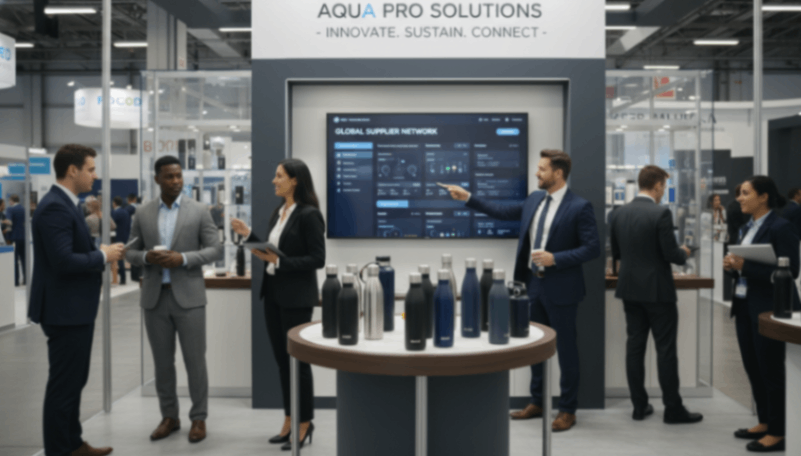
Online B2B Platforms
I recommend starting with major platforms because they offer built-in protection systems. Made-in-China.com and Alibaba list thousands of audited suppliers1. You can filter by certifications and transaction history.
Look for suppliers marked as "Gold Member" or "Audited Supplier." These badges indicate the platform verified the company. The verification process includes factory visits and document checks2. I always tell buyers to focus on suppliers with trade assurance or secure payment options.
Check the supplier's response time on these platforms. We at Cupique respond within 2 hours during business days. Slow responses often signal poor communication later.
International Trade Shows
Trade shows give you direct access to factory teams. The Canton Fair happens twice yearly in Guangzhou3. I exhibit there every spring and autumn. You can see product samples in person. You can ask technical questions directly to engineers.
I met one of my biggest European clients at Canton Fair in 2019. He touched our products first. He asked about our vacuum technology. We discussed his custom requirements face-to-face. That trust built from one conversation led to three years of partnership.
Other important shows include the Hong Kong Houseware Fair and the Global Sources Summit. These events bring together serious buyers and established manufacturers.
Industry Referrals and Networks
Your existing suppliers or industry contacts know reliable factories. I receive many clients through referrals from our current partners. These introductions carry built-in credibility.
Join LinkedIn groups focused on drinkware or promotional products. Participate in forums like Alibaba's community boards. Read case studies from other buyers. One logistics company I work with refers three to four new clients annually. They trust us because we never let them down on delivery dates.
Here is a comparison of these three main channels:
| Channel | Advantages | Limitations | Best For |
|---|---|---|---|
| B2B Platforms | Wide selection, verified suppliers, secure payments | Hard to verify claims without visits | Initial research and comparison |
| Trade Shows | Face-to-face meetings, see samples, meet engineers | Travel costs, limited time per supplier | Building relationships and assessing quality |
| Referrals | Pre-vetted trust, proven track records | Limited options, potential bias | Established buyers looking for partnerships |
B2B platforms, trade shows, and referrals are primary channels for finding manufacturers.True
The text explicitly lists these three methods as key channels for discovering manufacturers efficiently.
A general online search is the most efficient way to find legitimate manufacturers.False
The text suggests specific, more efficient channels to avoid being overwhelmed by general online search results.
What Key Criteria Define a 'Reliable' Factory Beyond Just Price
You compare prices from ten suppliers. One quotes 30% below the others. You wonder if this is an amazing deal or a warning sign. Price alone never tells the complete story.
Focus on certifications like ISO 9001, FDA, and LFGB. Check production capacity and quality control systems. Verify material quality with test reports for 304 or 316 stainless steel. Assess R&D capabilities and customization support for your specific needs.

Certifications and Compliance
Valid certifications prove a factory meets international standards. We maintain ISO 9001 for quality management. We hold FDA certification for the US market and LFGB for Europe. These are not just papers on the wall.
Each certification requires regular audits. ISO 9001 auditors check our processes every year. They review our quality records and interview our staff. LFGB testing covers material migration and chemical safety. I can provide current certificates with validity dates.
BSCI certification shows ethical manufacturing practices. It covers worker safety and fair labor conditions. Many European buyers require this before they place orders. We invested significantly in meeting BSCI standards because we care about our team and our reputation.
Ask suppliers for certificate copies. Check the expiration dates. Verify the certificate numbers on the issuing organization's website. I have seen fake certificates that look perfect at first glance.
Material Quality Standards
We use only food-grade stainless steel. Type 304 contains 18% chromium and 8% nickel4. Type 316 adds molybdenum for better corrosion resistance. These materials cost more than inferior grades.
I provide material test reports with every shipment. These reports show the exact composition of the steel. They confirm compliance with food safety standards. Some factories claim to use 304 steel but actually use 201 grade. The price difference is significant but 201 grade can release harmful substances5.
We source our steel from certified mills with traceability. I can tell you which mill produced the steel in your thermos. This transparency matters when you face customs inspections or customer safety questions.
Production Capacity and Systems
Our factory spans over 30,000 square meters. We operate two production lines with one fully automated. We produce more than 3 million units annually. This scale allows us to handle both small trial orders and large wholesale volumes.
Check if the factory can meet your timeline. Ask about their current order backlog. I maintain buffer capacity specifically for urgent orders. During peak seasons, factories without proper capacity planning will delay your shipment.
Quality control happens at multiple stages in our facility. We check incoming raw materials first. We inspect during production at critical points. We test every finished unit for leaks and insulation performance. This multi-layer system catches defects before shipping.
Here is what separates reliable factories from problematic ones:
| Criterion | Reliable Factory | Problematic Factory |
|---|---|---|
| Certifications | Current, verifiable, multiple international standards | Expired, vague, or missing key certifications |
| Materials | Documented 304/316 steel with test reports | Vague claims, no testing documentation |
| Communication | Clear, detailed, responsive within 24 hours | Slow, vague, avoids technical questions |
| Production | Transparent capacity, realistic lead times | Overpromises, unclear about current loads |
| Pricing | Competitive but reasonable, detailed breakdowns | Suspiciously low, no cost explanation |
R&D and Customization Capabilities
We employ a dedicated engineering team. They can modify designs for your market needs. Last year, a US client needed a bottle with a unique lid mechanism. Our engineers created three prototypes in two weeks. The final design won positive feedback from their customers.
Check if the factory offers OEM and ODM services. OEM means they manufacture your design. ODM means they can create custom designs for you. We handle both because we understand different buyers have different needs.
Ask about tooling and mold development. Custom colors, logos, and surface finishes require specific capabilities. I have laser engraving equipment, spray painting lines, and silkscreen printing stations. These investments show a factory's commitment to customization.
Reliable factories are defined by certifications, quality control, and R&D, not just low prices.True
The snippet lists multiple non-price criteria like certifications, quality control, and R&D for assessing factory reliability.
Focusing solely on the lowest price is the best way to identify a reliable factory.False
The article explicitly states price alone doesn't tell the complete story and highlights other crucial reliability criteria.
How to Effectively Vet and Verify a Potential Factory
You find a supplier that looks good on paper. You feel uncertain about moving forward. You need concrete methods to confirm their capabilities before you commit to a large order.
Request factory audit reports from third parties like SGS or Bureau Veritas. Order samples and test them thoroughly for leaks, insulation, and build quality. Verify all certifications directly with issuing organizations. Arrange factory visits or video tours to see production processes firsthand.
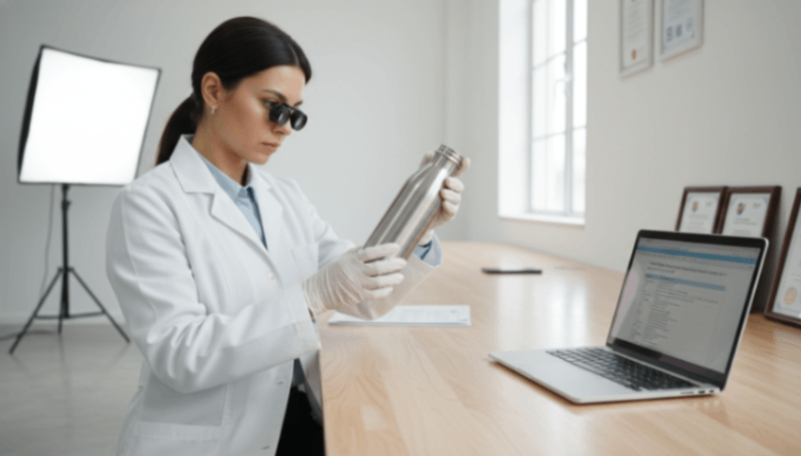
Factory Audits and Documentation
Professional audits provide objective assessments. SGS, Bureau Veritas, and Intertek are recognized names. These companies send inspectors to check facilities, processes, and documentation. I welcome these audits because they validate our claims.
An audit report covers many areas. It examines production equipment and maintenance records. It reviews quality control procedures and testing methods. It checks worker conditions and safety protocols. I can share recent audit reports with serious buyers.
You can also request a virtual factory tour. I regularly conduct video calls where I walk buyers through our facility. You can see our production lines operating. You can ask our quality manager questions in real time. This transparency builds confidence.
Ask for documentation of the factory's supply chain. I maintain records of our steel suppliers, packaging vendors, and testing laboratories. This traceability proves we control every aspect of production.
Sample Testing Procedures
Always order samples before placing bulk orders. I recommend testing at least three units from different production batches. This reveals consistency in quality.
Test for leakage first. Fill the thermos with water and seal it. Turn it upside down for 24 hours6. Any leak, even tiny, indicates poor sealing. We perform this test on every single unit before shipping.
Measure insulation performance. Fill the thermos with boiling water. Record the temperature after 6 hours and 12 hours. Quality vacuum insulation should keep water above 70°C (158°F) after 6 hours7. We provide exact performance data for each product line.
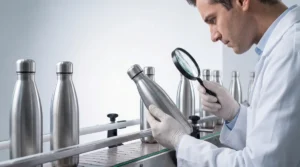
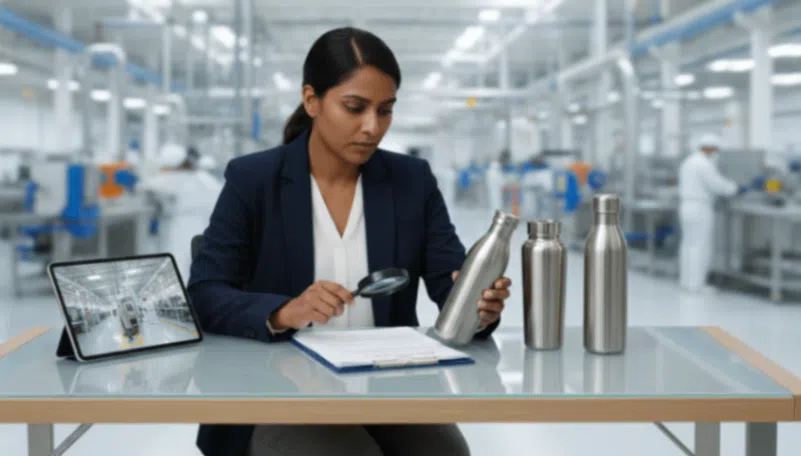
Check the build quality carefully. Examine welding points for smoothness. Look inside the inner tank for polish quality. Test the lid mechanism repeatedly. Feel the weight and balance. A well-made thermos feels solid but not excessively heavy.
I shipped samples to a Canadian buyer last month. She conducted drop tests from one meter height. She tested the lid seal 500 times. She sent the thermos to a lab for material analysis. Her thorough testing confirmed our quality claims. She placed an order for 10,000 units.
Certification Verification Methods
Never accept certification documents at face value. Verify them independently. Most certification bodies maintain online databases. You can check certificate numbers and validity dates.
I provide buyers with direct links to verify our certificates. For ISO 9001, you can check with the issuing registrar8. For FDA, you can search the FDA database. For LFGB, you can contact the German testing institute.
Some buyers hire third-party verification services. These companies specialize in checking factory credentials. They cost money but they prevent expensive mistakes. One UK buyer hired such a service before working with us. The verification confirmed everything we claimed. That confidence led to a long-term partnership.
Here is a practical verification checklist:
| Item to Verify | Method | What to Look For |
|---|---|---|
| Factory Location | Google Maps, satellite view | Real industrial buildings, not residential areas |
| Business License | Government database check | Valid registration, matching company name |
| ISO 9001 | Registrar's online database | Current validity, correct scope |
| FDA/LFGB | Certificate authority contact | Valid test reports, product categories |
| Production Videos | Request live video tour | Actual equipment, real workers, organized facility |
| References | Contact previous clients | Delivery performance, quality consistency |
Payment and Contract Terms
Review payment terms carefully. Be cautious of suppliers demanding 100% payment upfront. Standard practice is 30% deposit and 70% before shipping. We offer this split payment because it protects both parties.
I include quality guarantees in contracts. We specify acceptable defect rates and procedures for handling problems. We clarify warranty periods and replacement policies. Clear contracts prevent disputes later.
Ask about minimum order quantities. We support small trial orders for new clients. This allows you to test our partnership with lower risk. Some factories claim flexibility but impose hidden requirements.
Discuss shipping arrangements and responsibilities. I work with reliable logistics partners like DHL and FedEx. I can arrange door-to-door delivery or FOB shipping. Understanding these terms prevents surprises in total landed costs.
Effective factory vetting includes third-party audits, sample testing, and direct certification verification.True
The text explicitly lists these methods for confirming a factory's capabilities.
Reviewing a factory's provided documents is sufficient to confirm their production capabilities.False
The article emphasizes additional verification steps beyond initial documentation for confirmation.
What Are the Common Red Flags and Pitfalls to Avoid During the Sourcing Process
You evaluate several factories and something feels wrong. You cannot pinpoint the exact problem. You need to recognize warning signs before you make a costly mistake.
Avoid suppliers with prices far below market rates. Be wary of trading companies pretending to be factories. Watch for poor or slow communication and vague answers to technical questions. Reject suppliers who cannot provide verifiable documentation or refuse factory visits.
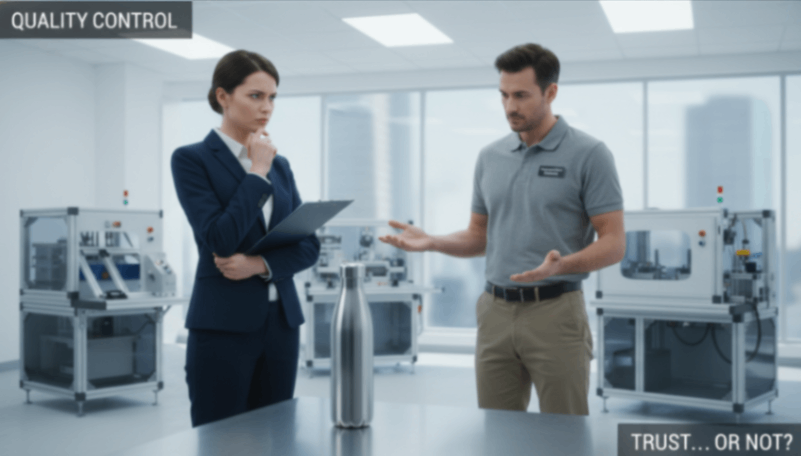
Unrealistic Pricing
Prices significantly below competitors signal problems. Manufacturing costs have floors. Quality steel, vacuum technology, and proper testing cost specific amounts. No legitimate factory can go far below these costs.
I have seen buyers chase extremely low prices. They place orders with these suppliers. The products arrive with poor insulation, weak seals, or wrong materials. The buyers waste money on unusable inventory. They lose time and damage their own reputation with customers.
One Australian buyer contacted me after such an experience. He ordered 5,000 bottles at an incredibly low price. The insulation failed within days. The supplier stopped responding to complaints. He ended up paying more for a second order with us to replace the defective products.
Calculate realistic costs. Factor in quality materials, manufacturing processes, testing, and certifications. Add reasonable profit margins. If a price seems too good, it probably is.
Trading Companies vs. Real Factories
Many trading companies present themselves as manufacturers. They have no factory. They source from multiple small workshops. This creates quality inconsistencies and communication problems.
You can identify trading companies through several signs. They show generic product photos used by multiple sellers. They avoid specific technical questions. They cannot arrange factory visits or video tours. Their response times vary because they relay questions to actual manufacturers.
I am transparent about being a factory owner. I can show you our equipment. I can explain our vacuum technology in detail. I know our production capacity exactly. Trading companies struggle with these specifics.
Ask the supplier to show you their production equipment during a video call. Request photos of products with your company name written on paper in the photo. These simple tests reveal trading companies quickly.
Communication Quality Issues
Poor communication predicts future problems. Notice how suppliers respond to your inquiries. We answer emails within 2 hours during business hours. We provide detailed responses to technical questions. We proactively update clients on order progress.
Watch for vague answers or generic responses. Some suppliers copy the same message to every buyer. They avoid specific questions about materials or processes. They promise everything without checking feasibility.
I had a conversation with a potential client last week. He asked about our insulation testing procedures. I explained our exact temperature measurement protocol, testing duration, and equipment specifications. A trading company would have given a vague answer about "good quality" or "international standards."
Language ability often differs between factories and trading companies. Trading companies hire people with excellent English but limited technical knowledge. Factory staff may have imperfect English but deep product expertise. I value technical accuracy over perfect grammar.
Lack of Transparency
Trustworthy factories show transparency in all aspects. We share information about our materials, suppliers, and processes. We welcome audits and inspections. We provide documentation without hesitation.
Be cautious of suppliers who resist factory visits. They make excuses about privacy or company policies. They refuse video tours. They delay sending certificates or test reports. These behaviors hide problems.
Some factories claim certifications they do not have. They show expired certificates or documents from other companies. Always verify independently. I learned English specifically to communicate with international clients. I invested in certifications because they matter for your business.
Watch for inconsistent information. If a supplier gives different answers to the same question, that reveals dishonesty. I train my team to provide accurate, consistent information. We maintain detailed records to ensure everyone shares the same facts.
Here are critical warning signs to avoid:
| Red Flag | Why It Matters | What to Do |
|---|---|---|
| Price 30%+ below competitors | Indicates inferior materials or hidden costs | Request detailed cost breakdown and material certificates |
| Refuses factory visits/tours | May not own factory or hiding poor conditions | Insist on video tour or find alternative supplier |
| Slow or vague responses | Shows poor communication or lack of knowledge | Test with specific technical questions, set response expectations |
| No verifiable certifications | Products may fail safety tests or customs | Independently verify all certificates before ordering |
| Pressure for full upfront payment | Higher risk of fraud or quality issues | Use standard payment terms with milestone releases |
| Cannot provide references | May be new, unreliable, or have poor track record | Request contact info for 2-3 similar clients |
Ignoring After-Sales Support
Many buyers focus only on product quality and price. They ignore after-sales support until problems occur. A reliable factory stands behind its products.
Ask about warranty policies before ordering. We offer clear warranty terms covering manufacturing defects. We replace defective units and cover shipping costs for valid warranty claims. This protection gives buyers confidence.
I have handled warranty claims for products from our factory. One shipment had 15 defective units out of 5,000. We immediately shipped replacements at our expense. We investigated the root cause and improved our process. The buyer appreciated our responsible approach and continues ordering from us.
Check how factories handle complaints and returns. We have a documented process for handling quality issues. We respond to complaints within 24 hours. We provide solutions, not excuses. This commitment to service builds long-term partnerships.
Recognizing specific warning signs like low prices or poor communication prevents sourcing mistakes.True
The text explicitly lists these as red flags to avoid costly sourcing errors.
Suppliers offering the lowest prices are always the best choice for cost savings.False
The article advises avoiding suppliers with prices significantly below market rates as a red flag.
Conclusion
Finding a reliable thermos factory requires systematic research, verification, and testing. Use B2B platforms, check certifications, test samples, and avoid common red flags for successful sourcing partnerships.
-
Explains industry standards suppliers are audited against. ↩
-
Explains industry standards, including factory visits, for quality verification. ↩
-
Further details the fair's content, including exhibitors and product categories. ↩
-
Explains Type 304's composition relevance in stainless steel manufacturing. ↩
-
Explains why 201 grade steel can release harmful substances. ↩
-
Explains industry standards for seal integrity and leak testing. ↩
-
Details industry standards for vacuum insulation temperature retention. ↩
-
Further explains industry standards relevant to product compliance. ↩