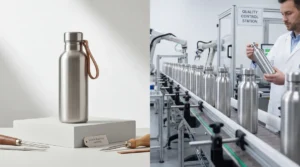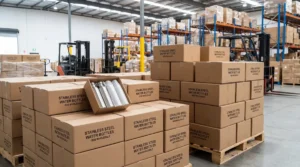

The low price is not savings. It is a warning sign. Factories cut costs by using inferior steel, skipping vacuum insulation, removing electrolysis treatment, and thinning the paint coating. These shortcuts create products that fail during shipping or break after minimal use. One supplier I know lost $23,000 on a single order because the steel bottoms cracked before reaching the customer.
Let me show you exactly where factories cut corners. I will also teach you how to spot these problems before you pay a deposit.
30% lower prices require cutting somethingTrue
Fixed costs for materials, labor, equipment mean savings must come from quality cuts.
All low-price factories produce defectsFalse
Some achieve savings through efficiency or scale. Test and verify where savings come from.
What Are Factories Actually Cutting to Offer Lower Prices?
Every factory has the same basic costs. Raw materials. Labor. Equipment. Shipping. When one factory quotes 30% less than others, they must cut something. The question is what.
Factories reduce prices by using 201 industrial steel instead of 304 food-grade steel, shortening vacuum pumping time from 6 hours to 2 hours or skipping it entirely, eliminating electrolysis treatment, thinning paint coatings, and using cheap plastic for lids and accessories.
I have worked in this industry for over 20 years through my company. Here is a detailed breakdown of where costs get cut.
Material Substitution
The biggest savings come from steel. Food-grade 304 stainless steel1 costs significantly more than 201 industrial steel. The 201 steel contains less nickel. It corrodes faster. It may release harmful substances when holding acidic drinks.
| Cost Factor | Standard Practice | Low-Cost Shortcut | Savings |
|---|---|---|---|
| Steel Grade | 304 food-grade | 201 industrial | $0.15-0.50 |
| Vacuum Pumping | 5-6 hours for 98-99% vacuum | 2 hours or none | $0.30-0.80 |
| Electrolysis | Full interior treatment | Skipped entirely | $0.15-0.25 |
| Polishing | Complete including rim | Partial or skipped | $0.10-0.20 |
| Paint Coating | Standard thickness | Thinned by 30-50% | $0.10-0.20 |
| Lid Materials | Quality plastic | Cheap alternatives | $0.10-0.15 |
| Packaging | Foam bags, thick boxes | Thin PE bags, weak boxes | $0.10-0.20 |
Understanding the differences between 316, 304, and 201 steel grades2 helps you evaluate whether a supplier's price makes sense.
Vacuum Insulation Shortcuts
A proper vacuum bottle needs 5-6 hours of pumping to reach 98-99% vacuum level. This process requires expensive equipment and electricity. Some factories pump for only 2 hours. Others skip vacuuming entirely. The bottle looks identical. But it will not keep drinks hot or cold.
The vacuum layer directly impacts insulation performance3. A compromised vacuum means your product fails the basic promise of temperature retention.
Surface Treatment Elimination
Electrolysis makes the interior smooth and corrosion-resistant. Without it, the steel develops rough spots. Rust appears in seams. The surface reacts with beverages. Buyers cannot see this difference in photos. They only discover it months later when customers complain.
201 steel costs less than 304 food-gradeTrue
201 has less nickel (3.5-5.5% vs 8-10%), making it cheaper but less corrosion-resistant.
Visual inspection identifies steel gradeFalse
201 and 304 look identical. Detection requires chemical testing or spectrometer analysis.
How Can You Spot Low-Quality Materials Before Ordering?
You cannot always trust supplier claims. But you can test products yourself. Here are practical methods I use.
Test steel grade with detection liquid that changes color on 201 steel. Check vacuum insulation by filling samples with boiling water and measuring temperature after 6 hours. Examine interior surfaces for rough spots or discoloration that indicate missing electrolysis treatment.

Steel Grade Testing
Buy stainless steel testing liquid online. It costs less than $10. Drop it on the steel surface. The 201 steel changes color within seconds. The 304 steel shows minimal reaction. This simple test has saved me from bad suppliers many times.
| Test Method | What to Look For | Red Flags |
|---|---|---|
| Detection Liquid | Color change on steel | Rapid dark color = 201 steel |
| Magnet Test | Slight attraction is normal | Strong magnetic pull = possible 201 |
| Certification Check | FDA, LFGB documents | No certifications = likely cutting corners |
| Price Comparison | Market rate reference | 30%+ below market = something is wrong |
When sourcing stainless steel water bottles from China4, these testing methods become essential for protecting your investment.
Vacuum Performance Test
Request samples before ordering. Fill them with boiling water at 95 degrees Celsius. Measure the temperature after 6 hours. A quality vacuum bottle maintains 60 degrees or higher. Poor vacuum shows 45 degrees or below. This test costs nothing but time.
Learn more about vacuum insulation manufacturing standards5 to understand what separates premium products from cheap alternatives.
Surface Quality Inspection
Look inside the bottle with a flashlight. Quality electrolysis creates a mirror-like surface. Missing treatment leaves dull spots. Check seam areas carefully. Rust or discoloration means problems ahead.
Certification Reality
Here is an important insight. Factories making cheap products rarely invest in certifications. Getting FDA approval6 or LFGB certification costs money and requires quality standards. If a supplier has proper certifications, they usually maintain quality. No certifications at rock-bottom prices means they are cutting everywhere.
A thorough supplier sample assessment process7 helps you verify quality before committing to large orders.
Chemical detection liquid can accurately identify 201 vs 304 stainless steelTrue
Detection liquids contain oxidizing agents that react differently with 201 steel (rapid dark color change) versus 304 steel (minimal or no reaction) due to different nickel content.
Vacuum bottles that look identical always perform the sameFalse
Vacuum performance depends on pumping time and seal quality - invisible factors. Two identical-looking bottles can have vastly different insulation due to manufacturing shortcuts.
Why Did a Supplier Lose $23,000 on a "Profitable" Low-Price Order?
I know someone who took a large order for Brazil. The customer demanded extremely low prices. My contact accepted. He thought small margins on big volume would work.
The order was tens of thousands of bottles at $1.50 each instead of the normal $2.30-2.50. The supplier made only cents per bottle. To hit this price, the factory used cheap steel bottoms. During ocean shipping, the steel bottoms cracked. The entire shipment was ruined. The supplier paid $23,000 in damages. The customer missed their promotional season.
This story teaches several lessons.
The Math Never Works
| Factor | Normal Order | Low-Price Order |
|---|---|---|
| Unit Price | $2.30-2.50 | $1.50-1.60 |
| Profit Margin | $0.30-0.50 | $0.05-0.10 |
| Quality Level | Standard | Compromised |
| Defect Risk | Low | High |
| Customer Loyalty | Builds over time | None |
The supplier earned cents per bottle. One quality failure erased years of potential profit. Finding a reliable factory8 matters more than finding the cheapest one.
Everyone Loses
The supplier lost $23,000. The customer missed their sales season. The end consumers never got their products. Low prices created a chain of failures that hurt everyone involved.
Industry Veteran Perspective
My boss has worked in this industry for over 20 years. He tried low-price competition for two years. Then he stopped. His exact words stay with me.
"Low-price market is a dead end. It ruins the entire market. You cut one dollar, competitors cut two. You cannot win this race. Customer loyalty does not exist. They leave for anyone cheaper. And when quality fails, you pay everything back plus more."
He now refuses orders where the only consideration is price. Quality customers pay fairly and stay for years. Price-focused customers disappear after one problem.
When choosing a thermal mug supplier9, prioritize reliability and quality consistency over the lowest quote.
Low-margin, high-volume orders can lead to catastrophic losses when quality failsTrue
The Brazil order example shows how thin margins ($0.05-0.10/unit) provide no buffer for defects. A single quality failure wiped out $23,000 - far exceeding any potential profit.
Price-focused customers become loyal if you deliver on low pricesFalse
Price-focused buyers have no loyalty by definition. They will switch to anyone cheaper. Only quality-focused customers build long-term relationships.
Conclusion
Low prices hide real costs. Factories cut materials, skip processes, and compromise quality to offer discounts. Test samples carefully. Check certifications. Remember that a 30% discount often means 100% risk. Choose suppliers who compete on quality and service instead of racing to the bottom.
Understanding stainless steel water bottle safety standards10 helps you make informed sourcing decisions that protect both your business and your customers.
-
Food-grade stainless steel explained - why 304 and 316 grades are standard for drinkware ↩
-
Comprehensive comparison of 316, 304, and 201 steel grades for B2B sourcing decisions ↩
-
How vacuum layer thickness and quality impact temperature retention performance ↩
-
Complete guide to sourcing stainless steel bottles from Chinese manufacturers ↩
-
Technical overview of vacuum insulation manufacturing processes and quality standards ↩
-
FDA Food Contact Substances program - regulatory requirements for food-grade materials ↩
-
Step-by-step process for evaluating thermos supplier samples before bulk orders ↩
-
How to identify and partner with reliable stainless steel thermos manufacturers ↩
-
Key factors for selecting thermal mug suppliers beyond price considerations ↩
-
Safety considerations and testing methods for stainless steel water bottles ↩