Skip to content
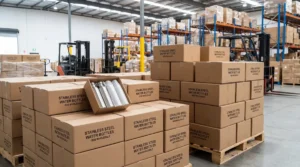
A friend once told me about a supplier who lost 150,000 RMB on a single order. Seven containers. Hundreds of thousands of bottles. All scrapped because the steel cracked during shipping. This is what happens when quality claims go wrong.
Quality claims in B2B water bottle orders happen mainly due to material defects, production shortcuts, or shipping damage. The key to handling them is prevention through proper inspection, clear contracts, and open communication with your supplier.
Most buyers think claims are just about getting refunds. They are not. Claims damage relationships, delay your business, and cost both sides money. The real question is: how do you avoid them in the first place? And if they happen, how do you handle them properly? I have been in this industry for years. Let me share what I have learned.
Prevention costs less than claimsTrue
Pre-shipment inspection costs 1-2% of order value. Claims cost 10-100% or more.
All quality problems are supplier's faultFalse
Many claims trace back to buyer decisions: pushing prices too low or ignoring supplier advice.
Why Do Quality Claims Happen in the First Place?
Many buyers blame suppliers for every problem. But after years in this business, I see a different pattern. Most claims come from decisions made before production even starts.
Quality claims happen because of three main reasons: buyers pushing prices too low, buyers ignoring supplier advice, and lack of proper pre-production checks. Low price is the biggest risk factor.
The Low Price Trap
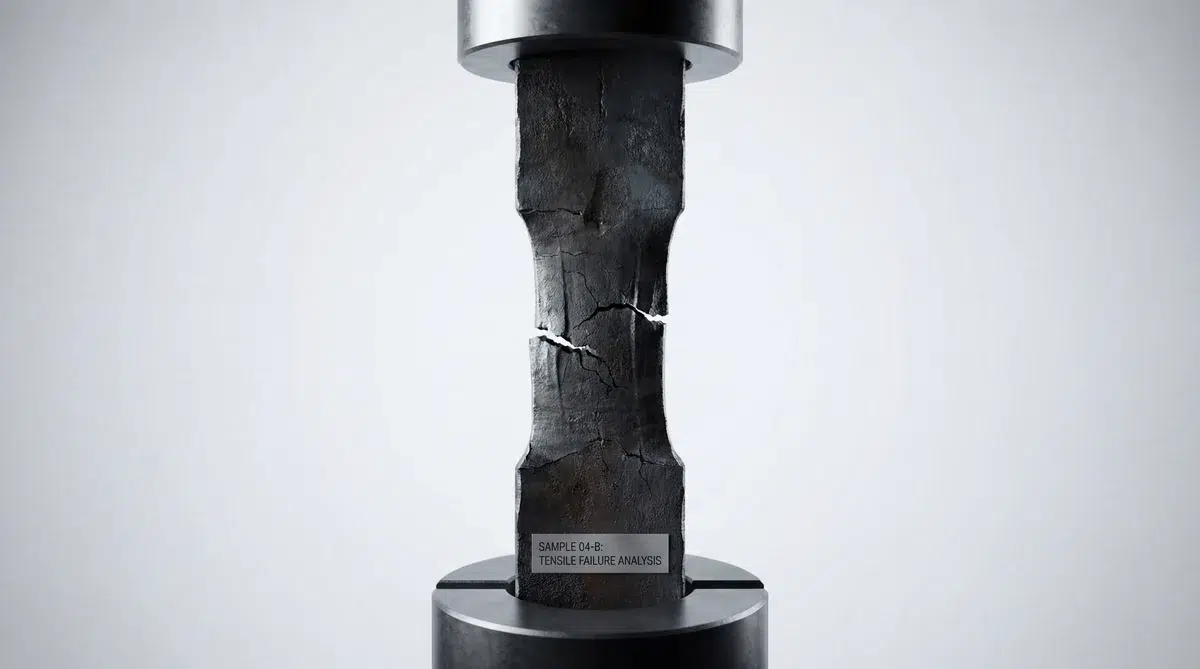
When you push prices too low, suppliers have to cut costs somewhere. They might use cheaper steel. They might skip quality checks. They might rush production. The result? Products that fail during shipping or after a few months of use.
I heard about a case where a buyer ordered 7-8 containers of bottles at rock-bottom prices. The supplier used low-grade steel to make the numbers work. During shipping, the bottle bases cracked. The entire shipment was ruined. The supplier had to pay 150,000 RMB in damages. This is why understanding steel grade differences1 matters so much for B2B buyers.
| Price Level | Risk Level | Common Problems |
|---|---|---|
| Very Low | High | Material defects, cracking, rust |
| Market Average | Medium | Minor cosmetic issues |
| Premium | Low | Rare, usually shipping damage only |
Ignoring Supplier Advice
Good suppliers give advice for a reason. They know their products. They know what works in different markets. When buyers ignore this advice, problems happen.
I had a customer in Brazil who wanted bottles without any coating. We explained that the local water is salty. The environment is harsh. Without coating, 304 stainless steel might rust. The customer insisted. Three months later, the bottles started rusting. This was not our fault. But it hurt both of us. Choosing the right stainless steel grade for your market2 prevents problems like this.
Low price always means low qualityFalse
Some factories achieve savings through efficiency and volume. But verify through testing.
Supplier advice protects both partiesTrue
Good suppliers understand material limits. Ignoring their advice shifts risk to the buyer.
What Are the Most Common Types of Quality Claims?
Not all claims are the same. Some are normal. Some are serious. Knowing the difference helps you prepare.
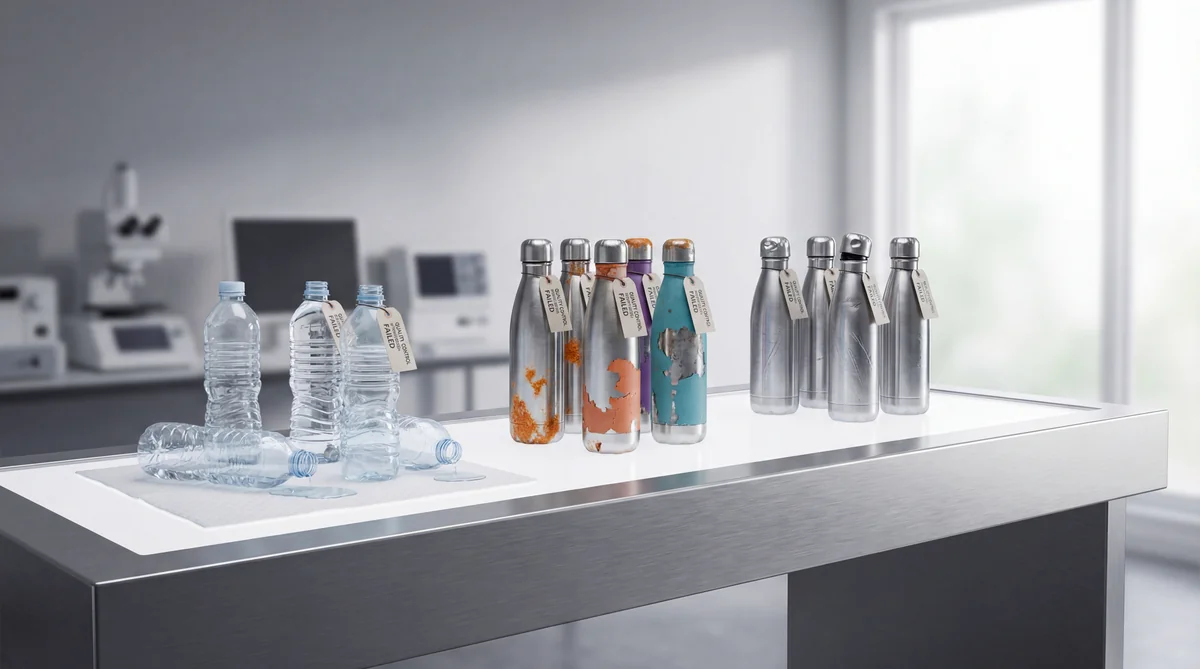
The five most common quality claims are: shipping damage (normal), leaking (workmanship), rusting (material or environment), coating peeling (surface treatment), and steel cracking (material failure). Steel cracking is the most serious and can destroy entire shipments.
Claim Types Breakdown
| Type | Cause | Severity | Typical Solution |
|---|---|---|---|
| Shipping Damage | Handling, packaging | Low | Replace damaged units |
| Leaking | Poor welding, seal issues | Medium | Rework or replace batch |
| Rusting | Material quality, environment | Medium-High | Improve coating, change material |
| Coating Peeling | Poor surface treatment | Medium | Redo coating process |
| Steel Cracking | Bad material, stress | Critical | Full batch replacement |
The Difference Between Minor and Major Claims
Minor claims are part of doing business. If 2-3 bottles out of 1,000 are damaged during shipping, that is normal. Good suppliers will add extra units to your next order. No big deal. Learning how to identify and fix leaking bottles3 helps you categorize issues quickly.
Major claims are different. When entire containers fail, lawyers get involved. The 150,000 RMB case I mentioned? That started as a material problem. It became a legal battle. The buyer sued. The supplier paid. Both sides lost time, money, and trust. According to ASTM International standards4, proper material testing prevents most major failures.
2-3% defect rate is normal in manufacturingTrue
No factory achieves 100%. Standard acceptance is 98-99% pass rate.
Major claims always require legal actionFalse
Most major claims settle through negotiation if contracts are clear and both sides act professionally.
How Can You Prevent Quality Claims Before They Happen?
Prevention is cheaper than cure. Smart buyers build prevention into their ordering process.
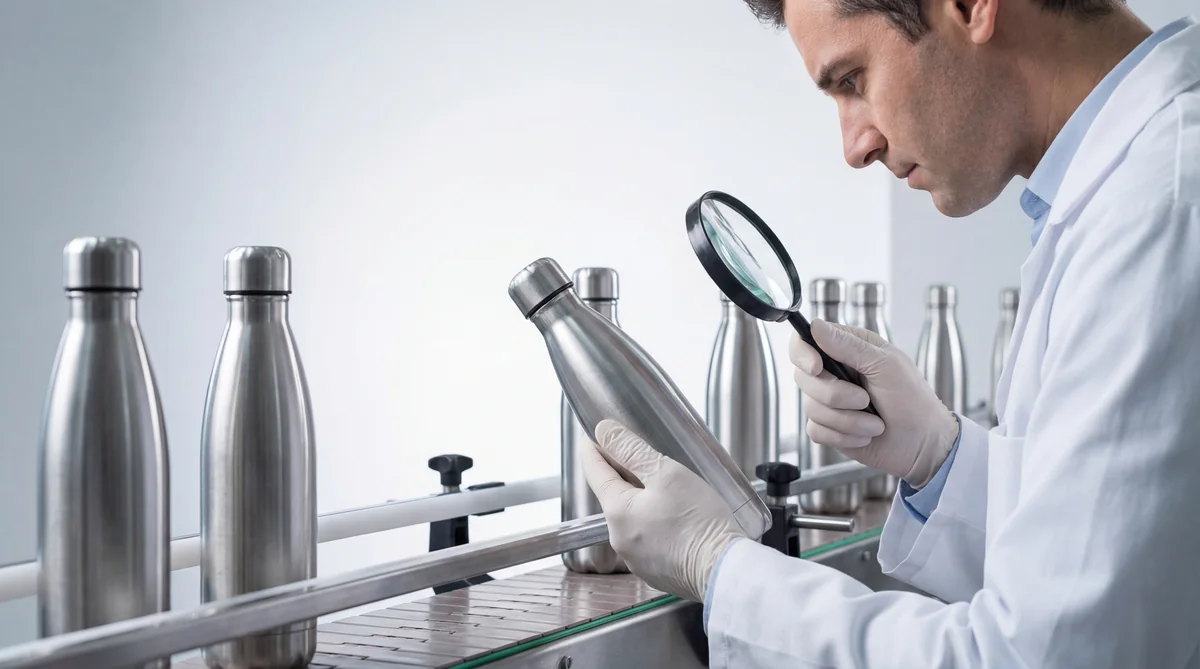
To prevent quality claims, you need three things: two rounds of sample approval (pre-production and pre-shipment), proper testing (cross-hatch test, leak test, insulation test), and clear contract terms that define responsibilities.
Pre-Production Checks
Before mass production starts, good suppliers do these things:
- Confirm all requirements in writing - Material, size, color, coating, everything
- Provide professional advice - Suggest better options if needed
- Send pre-production samples - You approve before they make more
- Material testing - If you want third-party testing, good suppliers cooperate
Working with a reliable factory that follows proper procedures5 significantly reduces claim risk.
Pre-Shipment Checks
Before containers leave the factory:
- Random sampling - Pick bottles at random from different batches
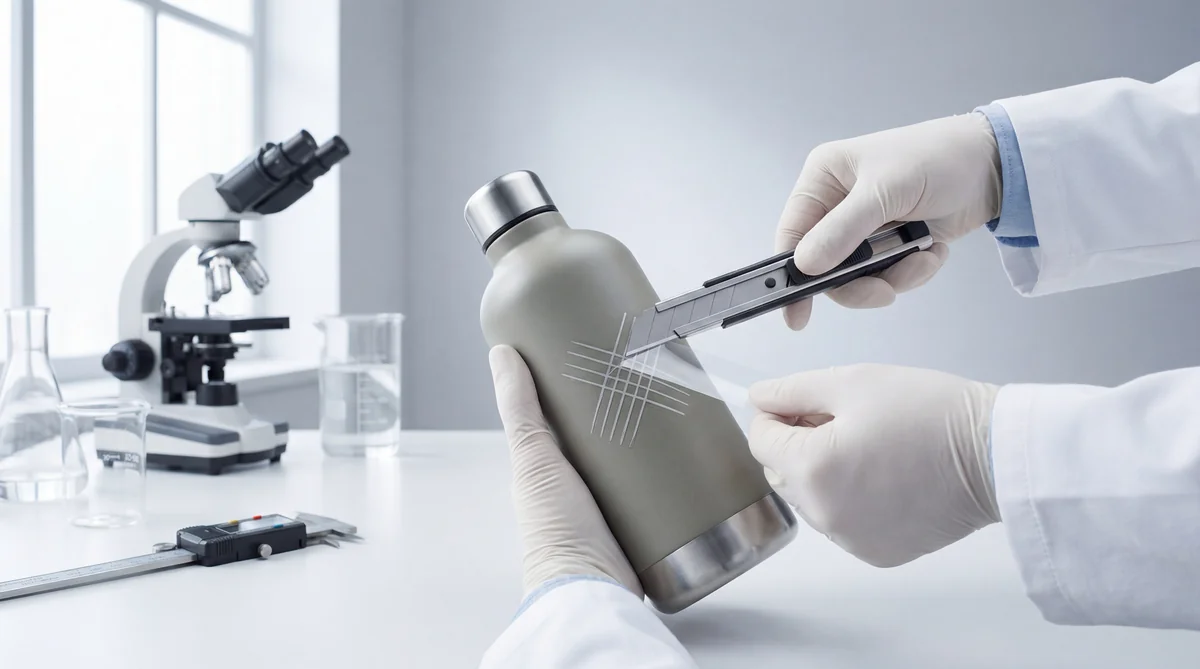
- Cross-hatch test - Cut the coating with a blade, apply tape, pull off. If coating comes off, it fails
- Standard tests - Insulation, leak test, inverted leak test, hot water test
- Pass rate target - Aim for 98-99% pass rate. 100% is unrealistic
| Test | What It Checks | How It Works |
|---|---|---|
| Cross-hatch | Coating adhesion | Blade cuts + tape pull |
| Leak Test | Seal quality | Fill with water, check for drips |
| Inverted Leak | Lid seal | Turn upside down, wait |
| Insulation | Vacuum quality | Hot water, check temp after hours |
Understanding how vacuum insulation works6 helps you test effectively. The FDA food contact guidelines7 also outline what materials need testing.
Dual Inspection
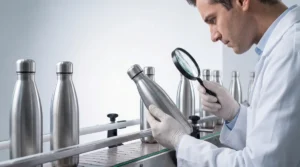
Do not rely on supplier QC alone. Send your own inspector or hire a third-party QC company in China. Two sets of eyes catch more problems than one. A proper sample assessment process8 saves thousands in potential claims.
Pre-shipment inspection catches 95% of defectsTrue
Most quality issues are visible before shipping. Inspection is your last line of defense.
Third-party inspection is too expensiveFalse
Costs 200-500 USD per container. Claims cost 10-100x more.
What Should You Do When a Quality Claim Occurs?
Even with prevention, problems can happen. How you handle them matters.
When a quality claim occurs, follow these steps: respond quickly to show you take it seriously, gather evidence (photos, test results), determine responsibility based on contract terms, and negotiate a fair solution for both sides.

Step-by-Step Claim Process
Step 1: Show You Care
The first thing a supplier wants to see is that you take the problem seriously. Do not ignore their messages. Do not delay. Respond quickly. This builds trust.
Step 2: Gather Evidence
Ask for proof. Photos. Videos. Test results. If a customer just says "the bottles are bad" but refuses to send evidence, that is a red flag. Honest claims come with documentation. Following ISO 9001 quality management principles9 helps structure your documentation process.
Step 3: Determine Responsibility
Look at your contract. What did you agree on? Did the supplier follow specifications? Did the buyer ignore advice? Responsibility is not always 100% on one side.
Step 4: Find a Solution
Common solutions include:
- Minor damage: Extra units in next shipment
- Workmanship issues: Rework or partial refund
- Major failure: Negotiate based on contract, may involve partial or full compensation
Having a clear B2B sourcing guide10 and contract template prevents disputes.
Spotting Fake Claims
Some buyers make false claims to get discounts. Red flags include:
- No photos or evidence
- Claims made months after delivery
- Refusing to return defective products for inspection
- Stories that keep changing
Good suppliers protect themselves. They keep records. They document everything. They know when a claim is real and when it is not.
Documentation protects both partiesTrue
Photos, test results, and written agreements prevent disputes from escalating.
Most claims are fraudulentFalse
Most claims are legitimate. But good documentation helps identify the rare bad actors.
Conclusion
Quality claims hurt everyone. Suppliers lose money. Buyers lose time. The best approach is prevention. Choose reliable suppliers. Do not push prices too low. Listen to professional advice. Inspect before shipping. And if problems happen, handle them with honesty and clear communication. A good supplier wants your order to succeed. Work together, and claims become rare.
-
Understanding steel grades helps buyers specify the right material for their market conditions. ↩
-
Different applications require different stainless steel grades - 304 for general use, 316 for harsh environments. ↩
-
Most leaking issues come from welding problems or seal failures, which are easy to detect in pre-shipment inspection. ↩
-
ASTM A240 defines material specifications for stainless steel plate and sheet used in various applications. ↩
-
Factory selection is the most important decision. A reliable supplier prevents 80% of quality issues. ↩
-
Vacuum insulation requires precise manufacturing. Poor vacuum leads to temperature loss. ↩
-
FDA regulations define what materials can contact food and beverages safely. ↩
-
Sample assessment should include material testing, functional testing, and finish inspection. ↩
-
ISO 9001 provides a framework for quality management that most B2B suppliers follow. ↩
-
Clear contracts and sourcing guidelines prevent misunderstandings that lead to claims. ↩